Waste-to-Energy in Kenya: Turning Trash into Treasure Like Sweden
Waste-to-energy in Kenya is gaining momentum, inspired by Sweden’s globally admired circular waste economy. This shift from pollution to power could revolutionize how Kenya handles trash—turning it into clean energy, jobs, and innovation.
From Landfills to Light: Sweden’s Circular Waste Economy
Sweden is the gold standard in sustainable waste management. Today, less than 1% of Sweden’s waste ends up in landfills. The rest? It’s recycled, reused, or turned into power.
Sweden has built a waste-to-energy model so efficient that the country now imports trash to keep its energy plants running. It’s part of a broader vision known as the circular economy, where:
Plastics become raw materials again
Food waste fuels biogas
Old clothes are repurposed
Trash literally powers homes
Here, waste is not waste—it’s fuel. Recycling isn’t optional. It’s embedded in culture, policy, and daily life.
Kenya’s Turn: Building a Waste-to-Energy Future
While Kenya still grapples with overflowing dumpsites and plastic pollution, the tide is turning.
In Dandora, Nairobi County has launched its first major waste-to-energy project—a bold step toward sustainable urban waste management. This project aims to reduce landfill overflow, lower greenhouse emissions, and generate electricity from trash.
But it’s not just about infrastructure.
Across the country, grassroots recycling startups are booming:
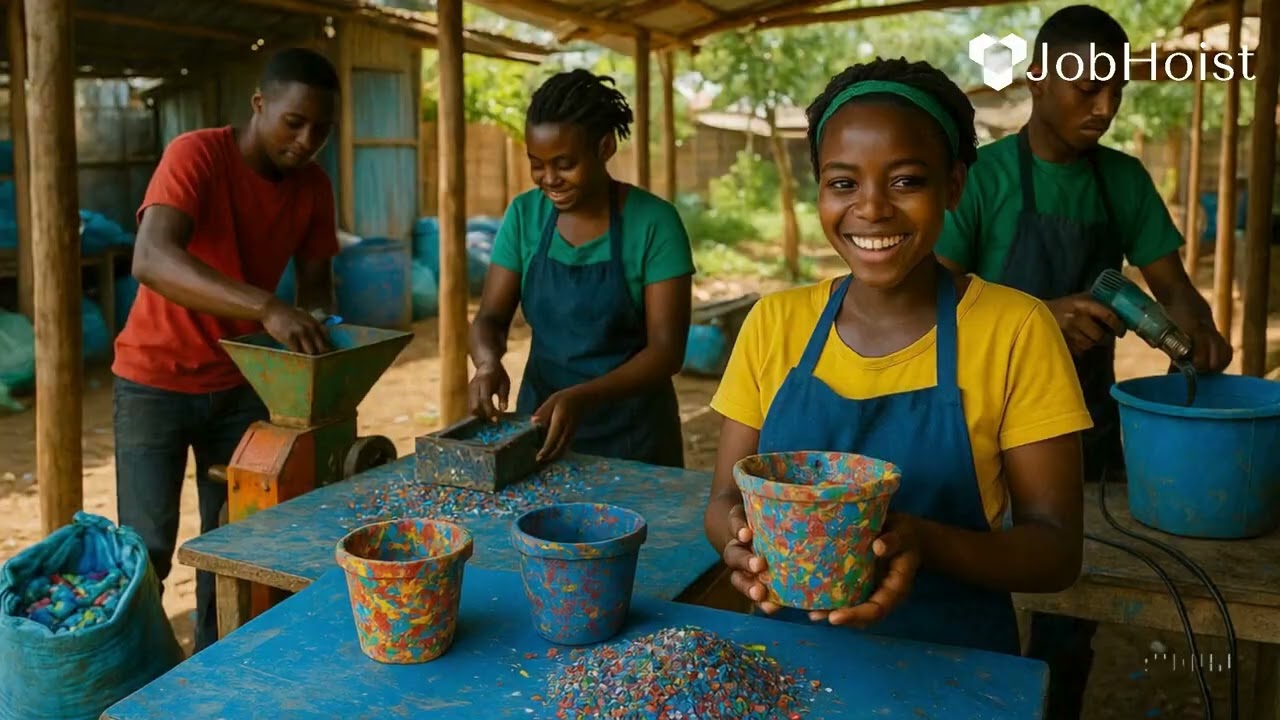
In Kibera, youth groups are converting plastic into paving bricks
In Kisumu, innovators are transforming waste into artwork and furniture
Nationwide, young entrepreneurs are building green enterprises around upcycling and composting
The Opportunity: Clean Energy, Green Jobs, and a Safer Planet
Imagine if every county in Kenya had a modern recycling plant.
Imagine garbage trucks that didn’t just collect—but delivered fuel to energy plants.
Imagine zero-waste schools where students learn sustainability from day one.
The benefits?
✅ Electricity generation from organic and plastic waste
✅ Reduced landfill pressure and air pollution
✅ Thousands of green jobs for youth and women
✅ Cleaner cities, towns, and villages
Kenya doesn’t have to start from scratch. The Swedish model of circular waste proves what’s possible. It’s a system that closes the loop—where products are designed to be reused, and where waste gets a second life.
Circular Economy in Action: What Kenya Can Learn
To match Sweden’s success, Kenya must:
1. Invest in Localized Recycling Infrastructure
Counties need materials recovery facilities, biogas digesters, and incinerators that convert non-recyclables to energy.
2. Enforce Waste Separation at Source
Sweden succeeds because homes and offices sort their waste. Kenya must promote colored bins and household recycling incentives.
3. Support Eco-Entrepreneurship
By funding youth-led waste innovations in urban and rural areas, Kenya can spark a green startup ecosystem.
4. Make Waste Education Mandatory
Recycling habits start in school. A zero-waste curriculum can shape future generations of eco-conscious citizens.
5. Create a National Waste-to-Energy Framework
Clear policies, private-sector partnerships, and transparent implementation will drive scale and sustainability.
Kenya is Ready
Kenya’s journey toward a waste-powered future has begun. Dandora is the start—but it must not be the end. Across cities, towns, and counties, leaders must embrace waste as wealth.
We no longer have the luxury to ignore pollution. Trash is piling up. But hidden in it is potential—power, prosperity, and purpose.
The tools are here. The innovators are ready.
And the future? It smells like clean air and sounds like humming turbines powered by yesterday’s garbage.
Let’s turn waste into wealth—together.
📢 This article has been produced by JobHoist — a leading AI-powered video advertising agency in Nairobi, Kenya. Visit us at Room 9, Hazina Towers, 16th Floor.
Explore more ideas for better governance and innovation at JobHoist.com